
EVERYDAY TALK
Mostly unspoken
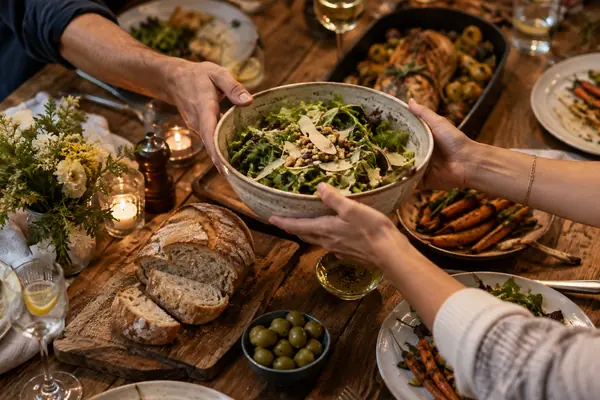
Across most of the eight languages studied, thanks came in about one out of fifty everyday requests that were met. The researchers read this as quiet cooperation, not rudeness.
See the numbersWHAT THE RESEARCH SAYS
In everyday talk, most help goes unthanked.
Recordings of real conversations in eight languages show people pass the salt, lend a hand and fetch things for each other with hardly a word of thanks. When thanks do come, they seem to do real work.

THANK YOU since about 1400
THE SHORT ANSWER
Everyday help mostly runs on unspoken give and take.
Saying thanks marks the moments that go beyond it.
EVERYDAY TALK
Across most of the eight languages studied, thanks came in about one out of fifty everyday requests that were met. The researchers read this as quiet cooperation, not rudeness.
See the numbersWHEN WE THANK
Another study found thanks treat help as going beyond what could be taken for granted. Routine help is simply expected.
Why we thankTHE EFFECT
In a Harvard and Wharton experiment, students who were thanked for feedback were about twice as likely to help the next person who asked.
Try it todayTRACE THE WORD
Pick a form of the word to see when it was first recorded in English and what it meant. The bar shows how old it is: the longer the bar, the older the form.
Dates are first records given by the Online Etymology Dictionary; words are usually older than their first written trace.
TWO NUMBERS WORTH KNOWING
One figure on how often people say thanks,
one on what it does for the person thanked.
1 in 50
Requests met with a thank you
A 2018 study in Royal Society Open Science analysed almost 1,000 examples of everyday requests in eight languages. In most of them, thanks came about once in fifty. English and Italian speakers thanked significantly more often.
EVERYDAY TALK · 8 LANGUAGES
66% vs 32%
Helped a second person who asked
In a study of 57 students, 66 percent of those who had been thanked for earlier feedback helped a new requester, against 32 percent of those who got a plain acknowledgment.
HELPING AGAIN · EXPERIMENT
The eight-language researchers say English and other Western European languages are outliers rather than representative of the world's languages, and that a low rate of thanks reflects cooperation rather than rudeness.
FOUR SMALL HABITS
The research does not say to thank more often for its own sake. It suggests thanks work best when they recognise effort that went beyond the expected.
Thanks land when someone did more than could be taken for granted. Look for those moments.
In the Harvard study, a simple acknowledgment did less than a message that also expressed gratitude.
Most everyday help goes unthanked in every language studied, and researchers say that is not a sign of rudeness.
English and Italian speakers thank more often than many others, so a missing thank you elsewhere may simply be normal.

WHY WE THANK
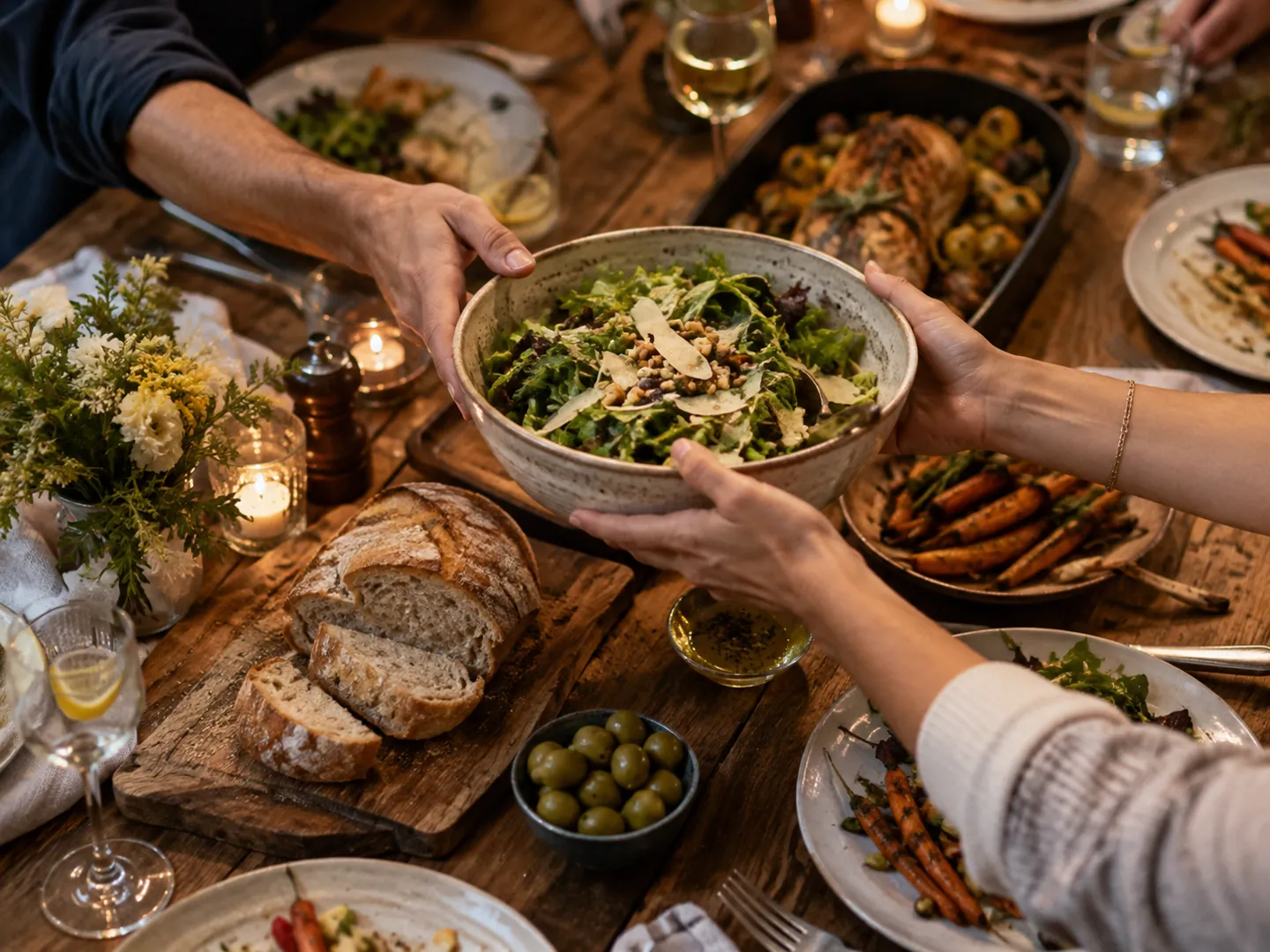
A study of British English, German, Italian, Polish and Telugu found speakers rarely thank someone who has complied with a request. Everyday cooperation runs on expectations of helpfulness.
When thanks do appear, they treat the other person's help as going beyond what could be taken for granted. In that sense a thank you recognises a choice the helper made, not just the help itself.
Questions
Less than you might think. A study of almost 1,000 everyday requests in eight languages found thanks in about one out of fifty cases in most of them. English and Italian speakers thanked more often.
The eight-language researchers say a low rate of thanks reflects an unspoken willingness to cooperate, not rudeness. In Cha'palaa, spoken in Ecuador, people never said thank you after a request was met.
In one experiment, 66 percent of students who had been thanked for giving feedback helped a second person who asked, compared with 32 percent of those who were not thanked.
The Online Etymology Dictionary records thank you from around 1400, short for I thank you. Thanks on its own dates from the 1580s and thanks a lot from 1908.
Yes. The dictionary says thank is related to think as song is to sing. Both go back to a Germanic root meaning thought and gratitude, and Old English þanc first meant thought.
Sources
ABOUT THIS NAME
doodlethanks.com is part of the DoodleSale portfolio. It isn't in an auction right now, but you can ask about leasing it.